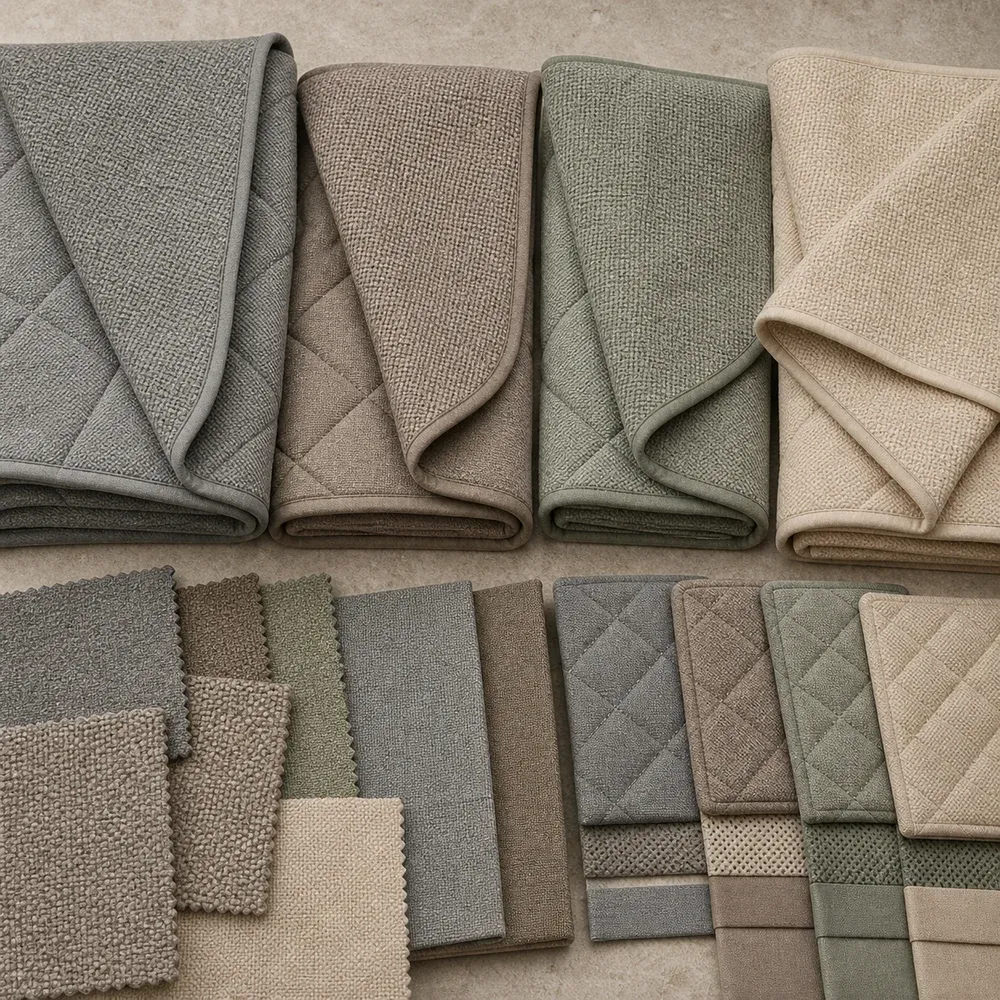
Sep 1, 2026Product Development
Developing Pet-Friendly Home Textiles: What Buyers Should Consider
A practical guide to developing pet-friendly home textiles around real use cases, material direction, care, construction, home aesthetics and product positioning.
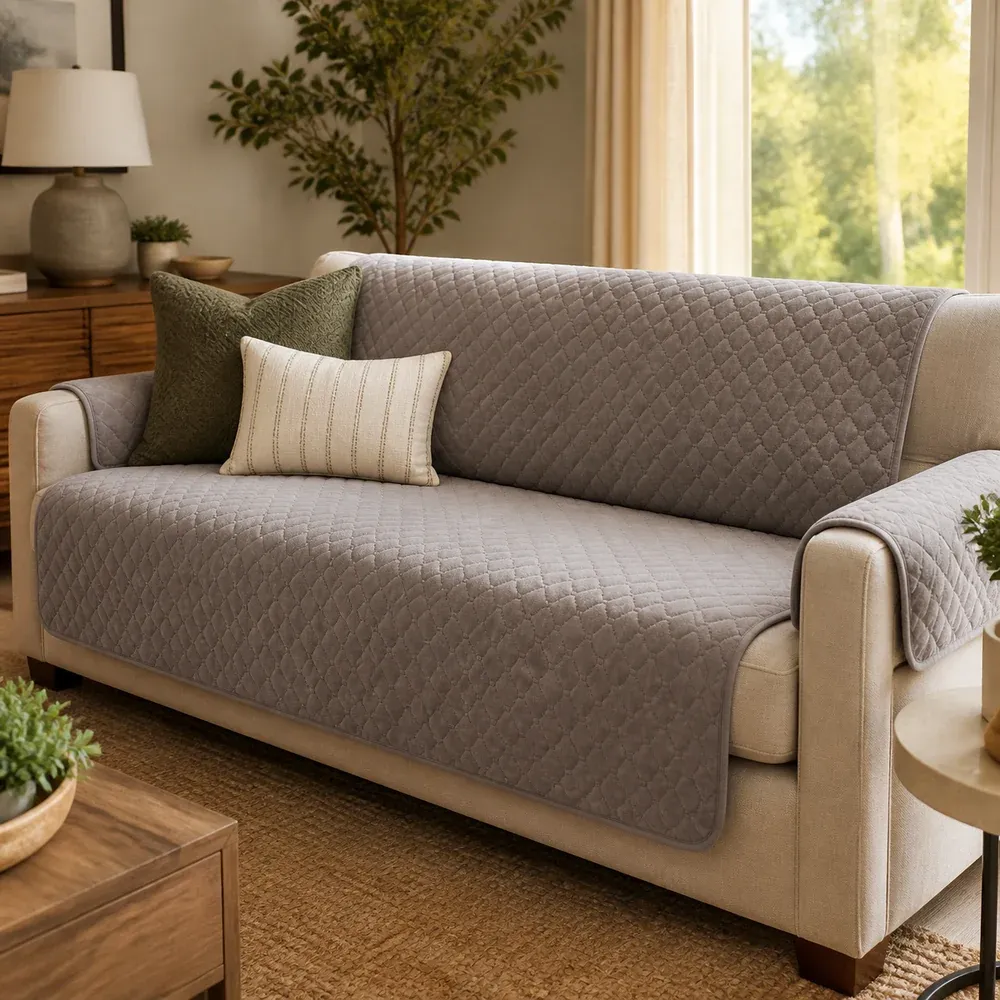
Pet-friendly home textiles sit between two product worlds: products need to work around the realities of living with pets while still fitting naturally into the home.
For brands, retailers and private-label buyers, this creates a different development brief from simply making a conventional home textile in a pet size. Material, construction, care, function and visual positioning all need to reflect how the product will actually be used.
- Start With the Use Case
A pet-friendly product should begin with a clear understanding of where and how it will be used.
A throw designed to protect a sofa has different requirements from a pet blanket used inside a bed, a foldable mat intended for travel or a cushion developed as part of a coordinated home collection.
Useful starting questions can include:
- where the product will be used
- whether it is primarily for comfort, protection or both
- how frequently it may need to be cleaned
- whether portability matters
- how visible the product will be within the home
- the intended retail and market positioning
Defining the use case helps determine which material and construction decisions matter most.
- Develop Around Both the Pet and the Home
Pet products increasingly live in visible areas of the home.
That means practical function is only part of the development brief. Color, texture, pattern, scale and overall appearance can also influence whether the product fits the intended collection and consumer environment.
A furniture protection throw, for example, can be developed not only around coverage and care requirements but also around a material and color direction that works with contemporary interiors.
This creates an opportunity to treat pet-friendly textiles as part of the home assortment rather than as a completely separate visual category.
- Match the Material Direction to Real Use
Material selection should reflect the intended environment and product role.
Depending on the product, buyers may want to explore directions such as:
- comfortable handfeel
- easy-care surfaces
- water-resistant constructions
- durability for frequent use
- pet-hair-friendly surface direction
- lightweight or portable constructions
- softness and comfort
- appropriate grip or stability where relevant
Not every function is necessary for every product.
The goal is to identify which characteristics create useful value for the intended use case and then develop the material and construction accordingly.
Specific performance should be confirmed through appropriate material information, sampling or testing where required rather than assumed from appearance alone.
- Consider Cleaning and Care Early
Products used around pets may require more frequent cleaning than many conventional decorative textiles.
For that reason, care should be considered during development rather than only when the final care label is prepared.
Material, surface construction, removable components, closures and overall product structure can all influence how practical a product is to maintain.
For some products, a removable cover may be useful. For others, a washable or easy-care construction may be more appropriate.
The right direction depends on the product and intended use.
- Use Function Where It Creates a Clear Benefit
Functional materials can help differentiate pet-friendly home textiles, but additional features should solve a recognizable problem.
Depending on the project, relevant development directions may include:
- water resistance
- easy care
- quick drying
- durability
- surface protection
- pet-hair release
- anti-slip or stability direction
- lightweight portability
These should be treated as development goals rather than automatic claims.
The material, construction and verification approach should be selected according to the intended function and market requirements.
- Think Beyond a Single Pet Product
Pet-friendly development can also create opportunities for coordinated collections.
Instead of treating a pet blanket, furniture protection throw, cushion or mat as isolated products, buyers can explore shared material stories, color palettes, textures and design language across several items.
A coordinated direction might connect products such as:
- home throws
- decorative cushions
- pet blankets
- furniture protection throws
- pet mats
- pet cushions or removable covers
This can help a pet-focused product sit more naturally within a broader home and lifestyle assortment.
It can also create a clearer basis for seasonal color updates, material stories and private-label collection development.
Pet-Friendly Can Still Feel Like Home
The strongest pet-friendly home textiles do not need to look separate from the rest of the home.
They can combine practical product requirements with material, design and care decisions that support the intended interior and market positioning.
At LinkGroupCo, pet-friendly products can be developed from an existing specification, a reference product or an early concept, with material, construction, function, branding and collection direction considered around the intended use.
For brands, retailers and private-label buyers, the opportunity is not simply to add another pet product. It is to develop products that make sense for the pet, the home and the collection around them.