Sep 1, 2026Product Development
From Reference Product to Development Brief: What B2B Buyers Should Prepare
A practical guide to turning a reference product, market need or early idea into a clearer development brief for material, construction, branding, packaging and sampling.
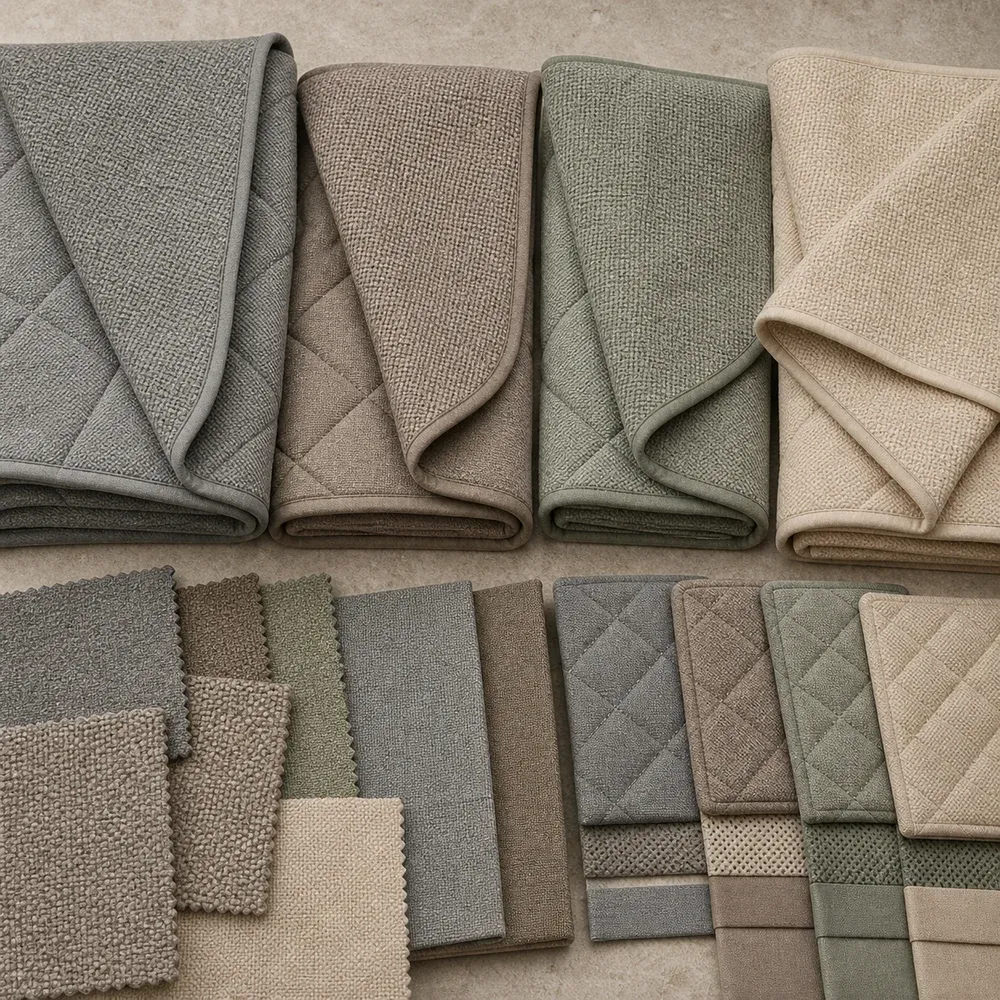
A reference product is often a useful starting point, but it is not yet a development brief.
For brands, retailers and private-label buyers, a clearer brief helps turn an initial idea into decisions that can be reviewed, sampled and refined. The goal is not to specify every detail before development begins. It is to define enough of the commercial and product direction for the next decisions to become more useful.
- Start With the Market, Not Only the Reference
A reference image, physical sample or existing product can show the general direction, but it does not explain why the product is right for your market.
Before development starts, clarify the intended customer, sales channel, price positioning and product role.
A decorative cushion developed for a premium interiors collection may require a different material, construction and finishing direction from a similar-looking product developed for a volume retail program.
Useful starting information can include:
- target market
- buyer or consumer profile
- intended sales channel
- price positioning
- expected product role within the collection
- reference images or physical samples
- Define What Should Stay — and What Should Change
A reference should guide development, not automatically be copied.
Identify which elements are important to retain and which are open for development.
These may include:
- overall size or proportions
- material or handfeel direction
- color and texture
- surface design
- construction
- functional requirements
- closure or edge details
- branding
- packaging
This makes the reference more useful as a communication tool and leaves room to develop a product around your own market and brand.
- Translate the Idea Into Material and Construction Direction
Material choice affects more than appearance.
Handfeel, weight, structure, care requirements, durability expectations, surface treatment and intended use can all influence the final product direction.
For functional products, the brief may also include development goals such as temperature comfort, moisture management, easy care, water resistance or pet-friendly surfaces where relevant.
These should begin as development requirements rather than unsupported performance claims. Specific performance should be confirmed through appropriate material information, sampling or testing where required.
- Add the Commercial Details That Shape Development
Product development also needs to reflect how the product will be sold.
Depending on the project, useful information can include:
- target dimensions
- preferred colorways
- collection size
- label requirements
- packaging direction
- private-label presentation
- target quantity range
- intended launch timing
These details help identify which decisions need to be addressed early and which can remain flexible during sampling.
- Use the Sample as a Decision Point
Sampling is not only about checking whether a product can be made.
It is a stage for reviewing material, handfeel, construction, dimensions, color, finishing and other relevant details before moving forward.
Feedback is most useful when it is specific.
Instead of simply saying that a sample does not feel right, identify whether the issue relates to softness, weight, structure, surface texture, fill, dimensions or another defined characteristic.
A clearer review process makes revisions easier to communicate.
- Confirm the Approved Direction
Before production preparation, the relevant approved details should be aligned.
Depending on the product, this may include:
- material
- construction
- dimensions
- color
- surface or functional direction
- labels
- packaging
- approved sample or reference
- other project-specific specifications
The exact documentation can vary by product and buyer, but the principle is consistent: the approved direction should be clear enough for the next stage.
A Better Brief Creates Better Development Conversations
A useful development brief does not need to answer every question from the beginning.
It should give the development process a clear commercial and product direction while identifying the decisions that still need to be explored.
At LinkGroupCo, projects can start from an existing specification, a reference product or an early product idea. Material, function, construction, branding and collection direction can then be developed around the intended market and program.
For buyers preparing a new product or collection, sharing the information you already have is often the best place to start.