
Sep 1, 2026Materials
How Material, Care and Construction Decisions Shape a Home Textile Product
A practical guide to how material, handfeel, construction and care decisions influence the performance, positioning and development of a home textile product.
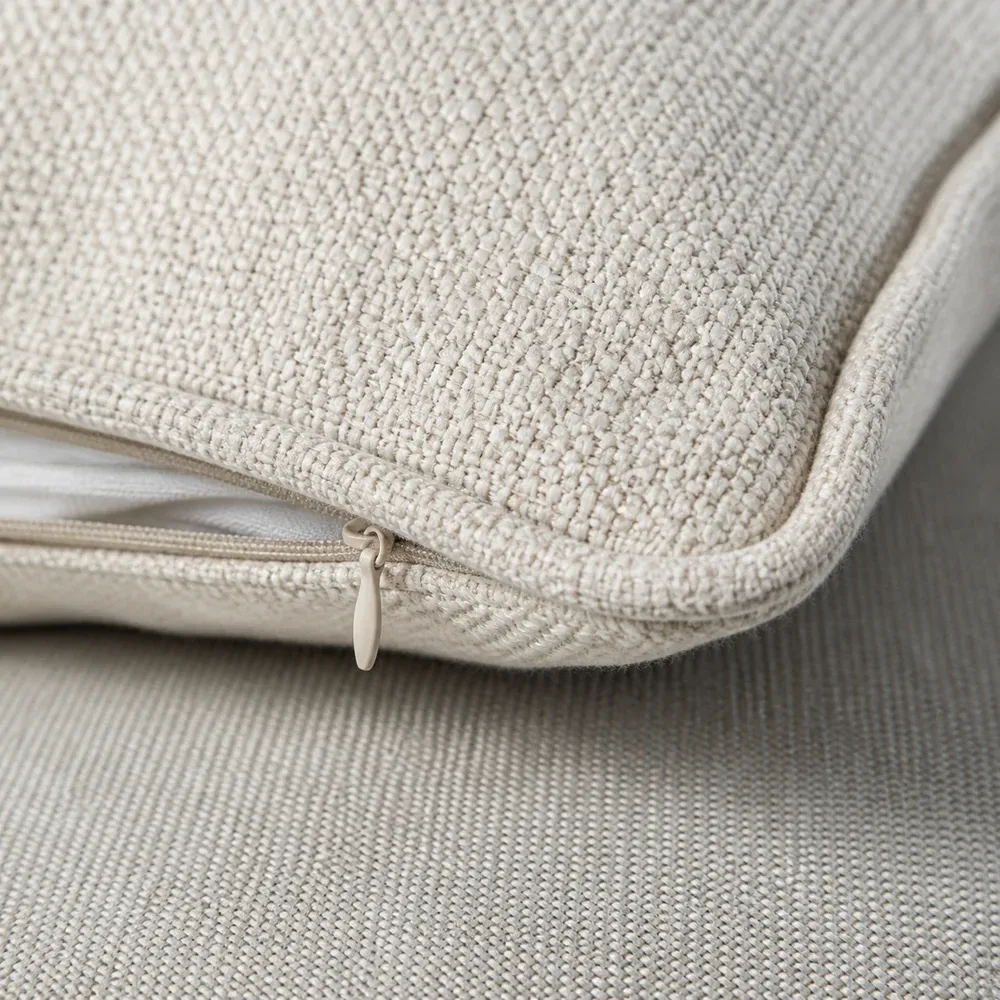
Material is one of the first things buyers notice in a home textile product, but material choice alone does not determine whether the final product is right for the market.
Handfeel, weight, construction, surface design, care requirements and intended use work together. For B2B product development, these decisions should be considered as part of the same product direction rather than as separate specifications.
- Start With the Intended Product Experience
Before selecting a fabric, define what the product is expected to feel like, look like and do.
A decorative cushion for a premium interiors collection may prioritize texture, depth and handfeel. A lightweight throw may place more emphasis on softness, drape and easy handling. A product intended for frequent use may require greater attention to care and durability.
Useful questions can include:
- how the product should feel
- where and how it will be used
- the intended visual positioning
- the expected care routine
- the target retail or market position
These decisions provide a clearer basis for evaluating materials.
- Material Is More Than Fiber Content
Fiber composition is important, but it does not describe the complete material experience.
Yarn, weave or knit structure, weight, density, surface treatment and finishing can all influence how a textile looks and feels.
Two materials with similar fiber content can behave very differently depending on their construction and finishing.
During development, material review may therefore consider:
- handfeel
- surface texture
- weight and drape
- visual depth
- structure
- care requirements
- color and finishing direction
- suitability for the intended use
The goal is to select a material direction that supports the product concept rather than choosing a fabric from composition alone.
- Construction Shapes Function and Appearance
Construction decisions can change both the visual character and practical use of a product.
For cushions and pillow covers, this may include seams, closures, edge treatments, quilting, panel construction or decorative details.
For throws and blankets, construction can influence weight, drape, warmth, texture and finishing.
The appropriate construction depends on the intended product, market positioning and material.
This is why development should consider material and construction together.
- Care Requirements Are Part of Product Design
Care should not be treated only as information added to a label at the end of development.
The expected cleaning and maintenance routine can influence material selection, construction and finishing from the beginning.
For products intended for frequent use, buyers may want to consider directions such as easy care, removable covers, washable constructions or surfaces designed around the intended environment.
The relevant requirements will vary by product.
Where specific care or durability performance is important, it should be confirmed through appropriate material information, sampling or testing rather than assumed from appearance alone.
- Functional Requirements Should Begin With the Use Case
Performance materials can add meaningful differentiation when the function solves a real product need.
Depending on the product, development goals may include:
- temperature comfort
- moisture management
- water resistance
- quick drying
- easy-care surfaces
- durability
- pet-friendly surface direction
- lightweight comfort
These are development directions, not automatic performance claims.
The appropriate material, construction and verification requirements should be considered according to the intended use and target market.
- Review the Product as a Complete System
Material, construction, care, function and design decisions influence one another.
Changing the fabric may affect handfeel or drape. Changing the construction may affect appearance or care. Adding a functional requirement may change which material options are suitable.
For this reason, product review is most useful when the sample is evaluated as a complete product rather than as a collection of isolated specifications.
Relevant review points can include:
- material and handfeel
- construction
- dimensions
- color and surface appearance
- finishing
- care direction
- functional direction where applicable
- branding and packaging compatibility
This creates a clearer basis for revisions and final approval.
Better Material Decisions Support Better Products
A successful home textile product is rarely defined by one material specification.
It comes from aligning material, construction, care, function and design with the intended market and product experience.
At LinkGroupCo, these decisions can be developed together around the product brief, whether a project begins from an existing specification, a reference product or an early concept.
For brands, retailers and private-label buyers, the goal is not simply to select a fabric. It is to develop a material and construction direction that supports the product, the collection and the market it is intended to serve.